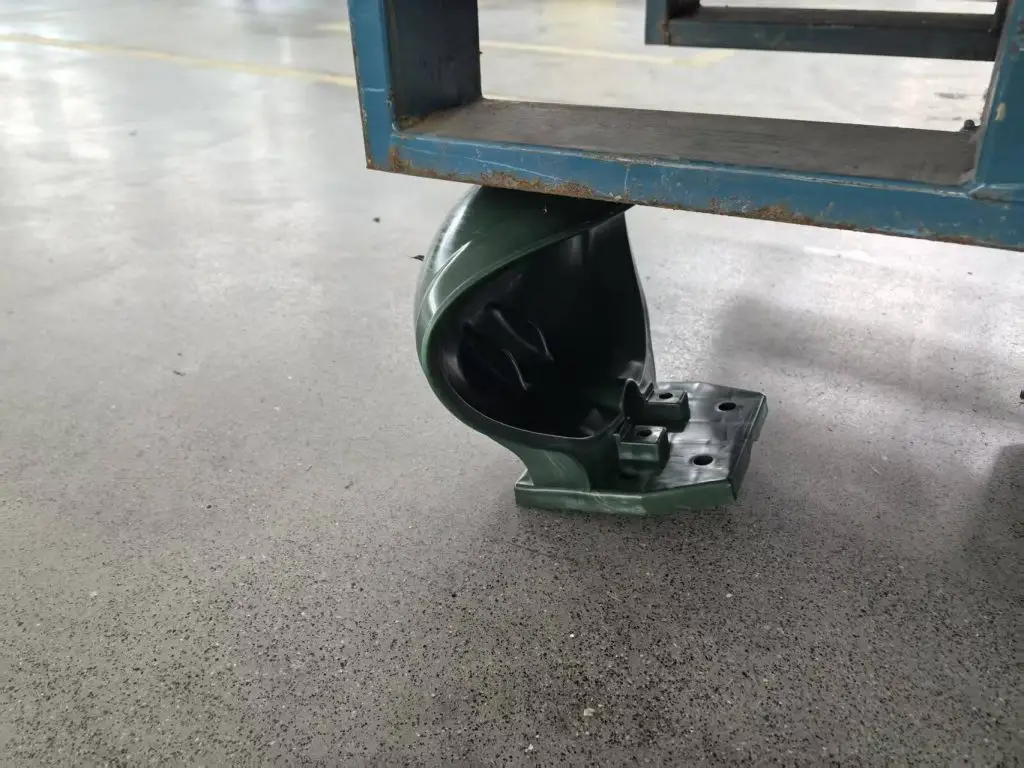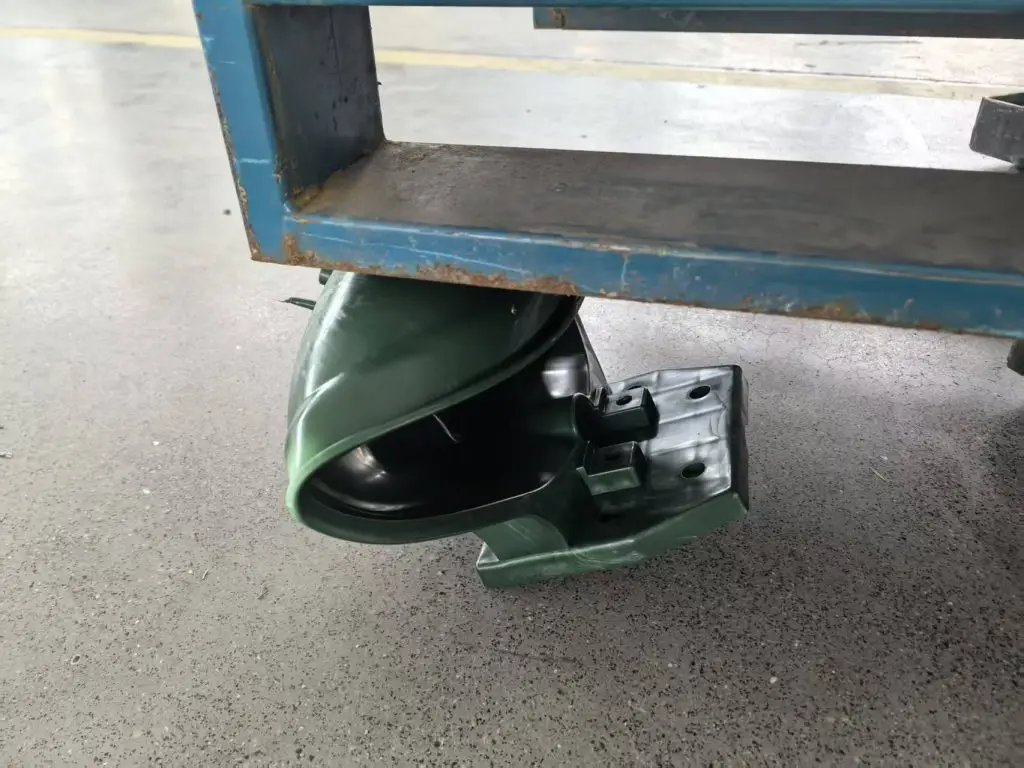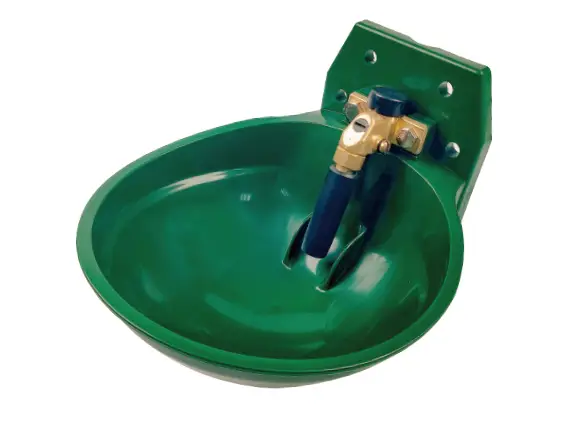
Cattle water bowls may seem like simple products, but prices in the Chinese market can vary dramatically. This is due to several key factors:
1. **Material Quality Differences**
Some suppliers use recycled plastics to cut costs, while others use reinforced HDPE with additives like UV stabilizers for long-term durability. Even when a material is labeled food-grade, the actual batch quality, color additives, and stability can differ significantly, directly impacting production cost and final price.
2. **Production Methods**
Bowls produced with simple thin-wall injection molding are cheaper, while those with thicker walls, reinforcement ribs, or precision molds cost more. Mold complexity, labor intensity, and quality control all affect the unit price.
3. **Supply Chain Scale and Raw Material Fluctuations**
Small workshops or factories often buy raw materials in limited quantities, so per-unit cost is higher and more volatile.
Raw material prices in China can change rapidly due to seasonal demand or global market shifts, causing short-term price swings.
Additionally, many foreign trade companies pretend to be manufacturers and operate matrix-style reselling.
They buy from small workshops at low cost and sell at higher prices, creating further price differences in the market.
At SLHER, we focus on transparency: we clearly communicate our materials, production process, and costs,
ensuring customers understand exactly what they are paying for, without exaggeration or hidden compromises.