Many overseas buyers believe they are comparing dozens of independent suppliers on B2B platforms.
In reality, a large portion of these stores may belong to the same small group of people.
In China’s export industry, it has become increasingly common for one individual or one small foreign trade team
to register multiple companies and operate many online storefronts simultaneously.
A team of five or six people may control:
multiple Alibaba stores, multiple Made-in-China accounts, several independent websites, and dozens of product listings across different categories.
On the surface, these companies appear unrelated.
Different company names, different logos, different salespeople, different product descriptions.
But behind the scenes, many are connected through the same supply chain, the same operators, or even the same office.
This creates what many people inside the industry call:
a “matrix structure.”
The goal is simple:
occupy as much search traffic as possible.
By continuously investing in platform advertising, keyword bidding, and duplicated product listings, these companies attempt to dominate the first several pages of search results.
As a result, buyers may believe they are comparing many suppliers, while in reality, their inquiries are still circulating within the same small trading network.
This structure is especially common in highly competitive low-barrier industries, including livestock equipment,
plastic products, hardware, garden tools, and general agricultural supplies.
For real manufacturers, small workshops, or engineering-focused suppliers, this creates a difficult environment.
Companies focused on actual production, material testing, or long-term product improvement often cannot compete with matrix-style advertising systems.
Because visibility on large B2B platforms is increasingly determined by:
advertising budgets, listing quantity, keyword coverage, and account scale.
Not necessarily by manufacturing capability.
This also explains why product prices can vary dramatically online.
In many cases, the platform price is no longer directly connected to actual production cost.
Instead, it may reflect:
advertising pressure, reselling layers, traffic competition, or aggressive lead-generation strategies.
For overseas buyers, this creates a confusing market environment.
A “factory” may not actually own production equipment.
A “manufacturer” may simply be sourcing from multiple workshops.
And several “different suppliers” may ultimately ship products from the same source.
This does not mean every trading company is dishonest.
China’s supply chain system is extremely complex, and many professional trading companies provide real value.
However, the increasing expansion of matrix-style operations has made transparency more difficult across many B2B industries.
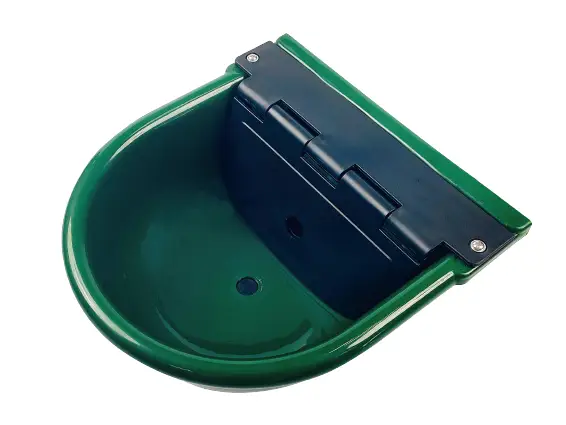
At SLHER, we prefer a slower and more transparent approach.
Instead of operating multiple storefront identities, we focus on openly documenting materials, production observations, and practical long-term product work.
Because in manufacturing, long-term trust is usually built through consistency, not through occupying more search pages.